Mercedes-Benz · 1954
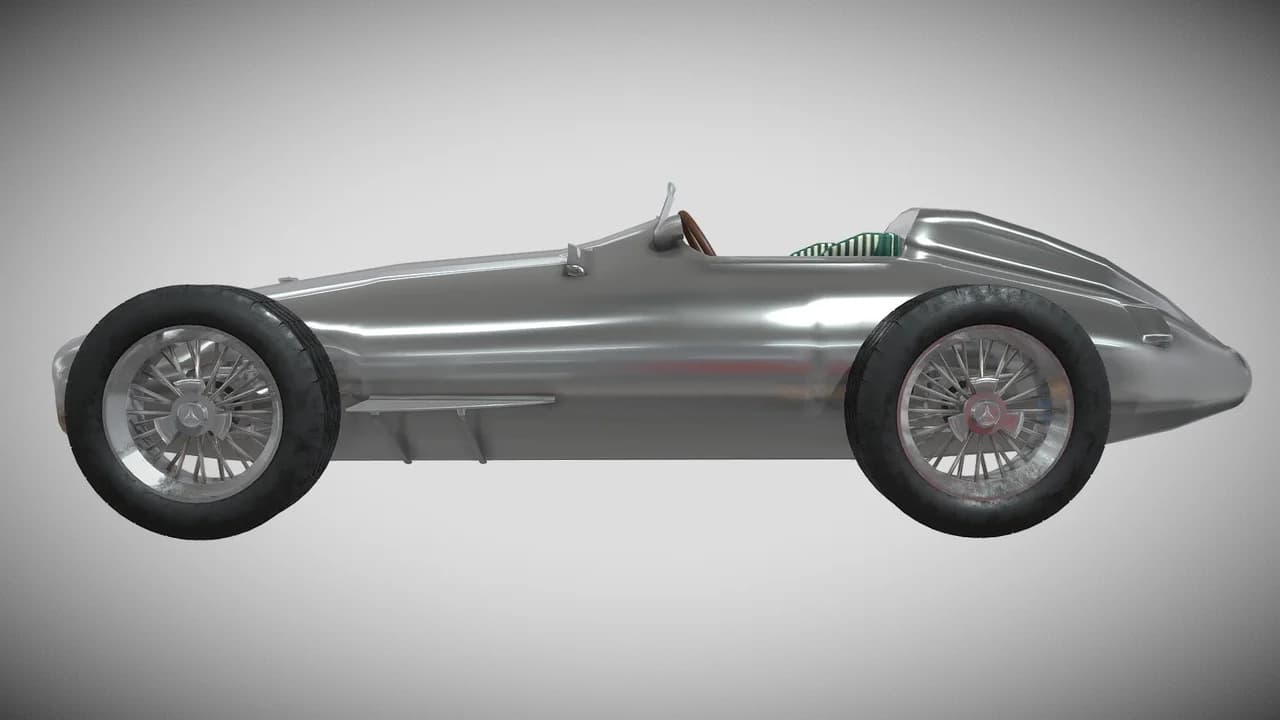
W 196 R
Direct fuel injection, desmodromic valve control and two body configurations made Mercedes' 1954 return an immediate championship success.
- 1Rotate freely
- 2Zoom into details
- 3Read its story

The interactive garage
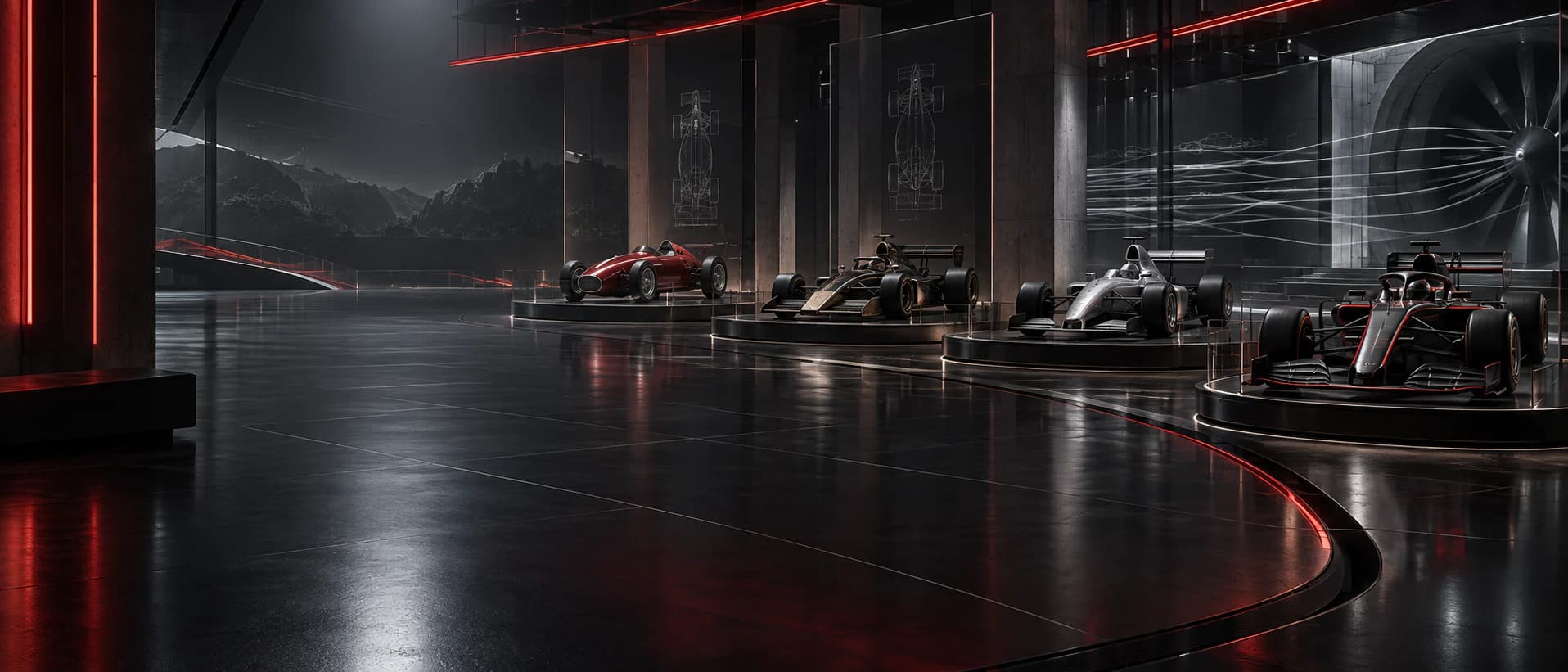
Explore the shapes and ideas that made these cars unforgettable. Rotate each model, look closer at the engineering and discover its place in Formula 1 history.
Available now
Explore the cars in the collection, with technical context, historical records and clearly identified model sources and licences.
Results: 24
Select up to two cars to compare their engineering and sources.

Mercedes-Benz · 1954
Direct fuel injection, desmodromic valve control and two body configurations made Mercedes' 1954 return an immediate championship success.

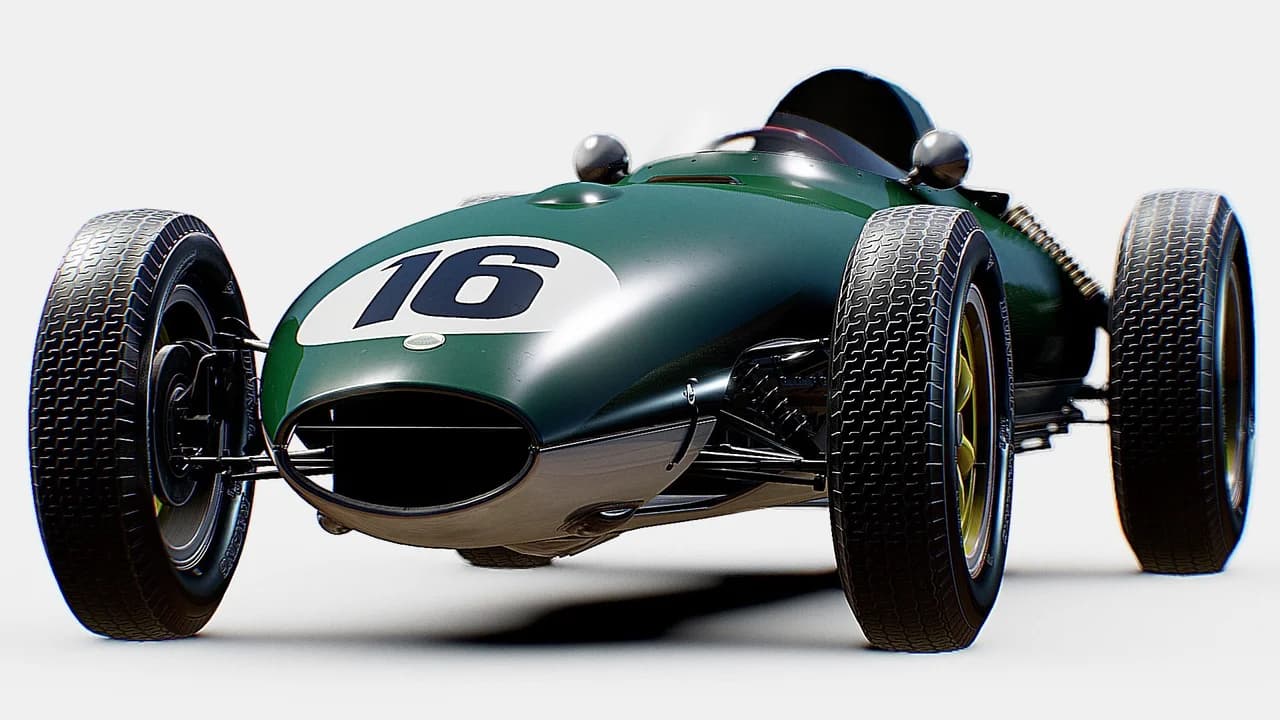
Lotus · 1958
The tiny front-engined single-seater that introduced Colin Chapman's uncompromising pursuit of lightness to the Formula 1 World Championship.

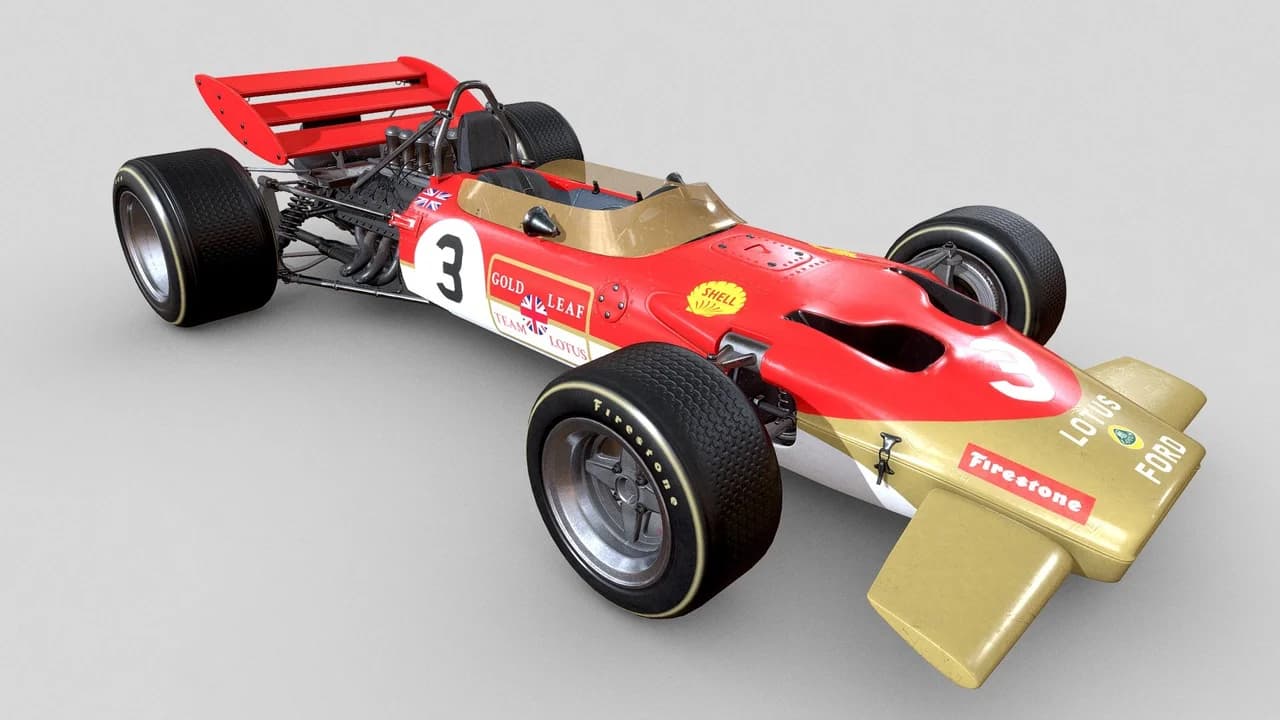
Lotus · 1967
The debut-winning Lotus that made the Cosworth DFV a structural part of the car and established a new Formula 1 architecture.

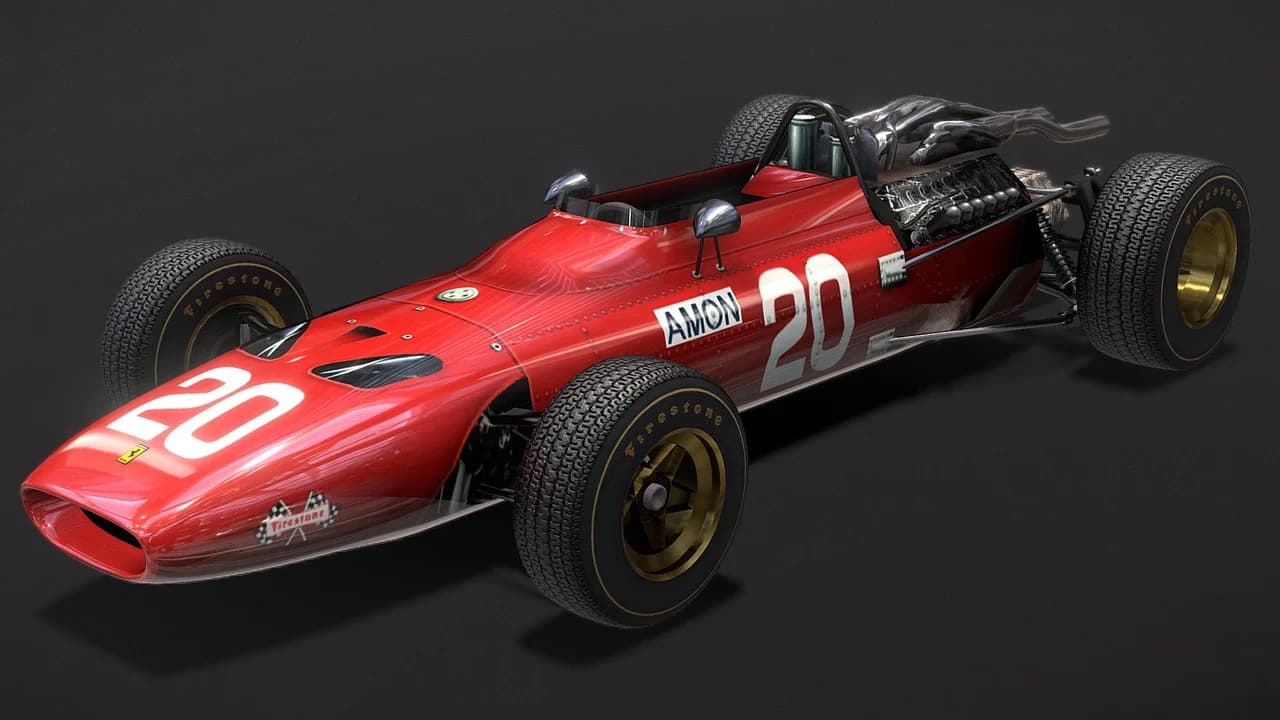
Ferrari · 1967
Mauro Forghieri's compact V12 single-seater, shaped for the new three-litre era and immortalised by Chris Amon's 1967 campaign.

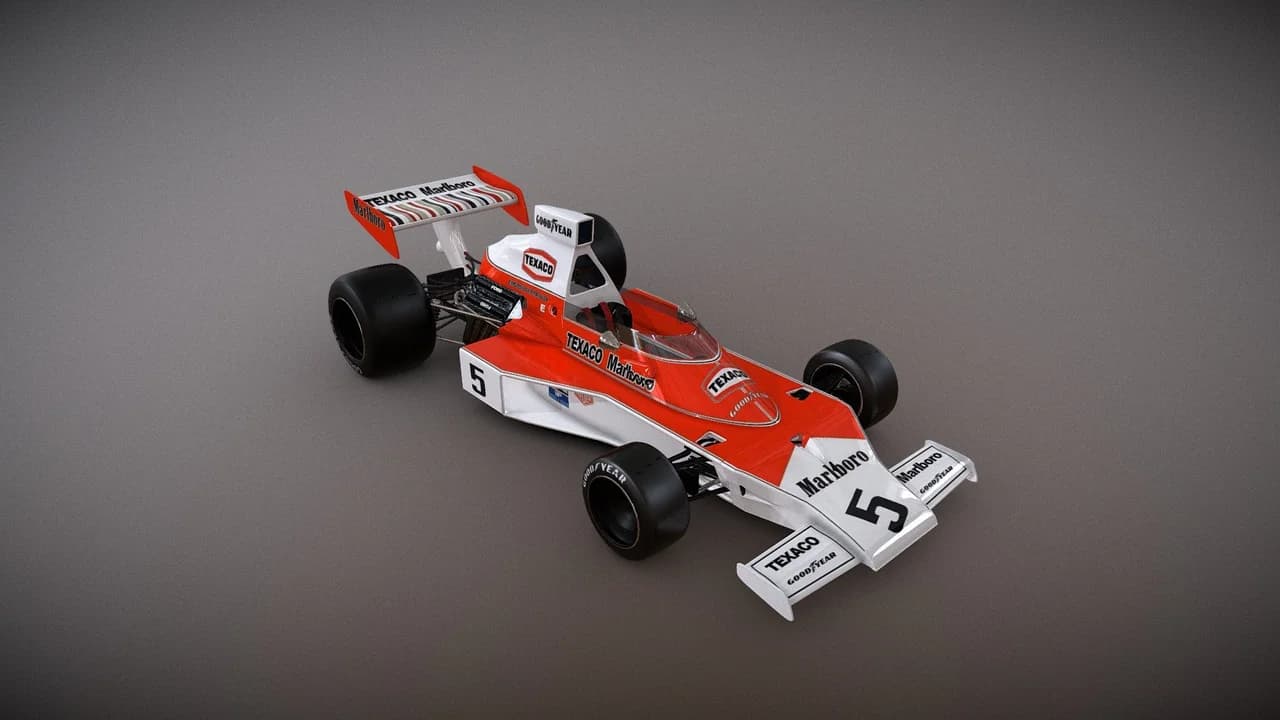
McLaren · 1974
Versatile, progressive and unusually long-lived, the M23 turned McLaren into a championship-winning Formula 1 constructor.

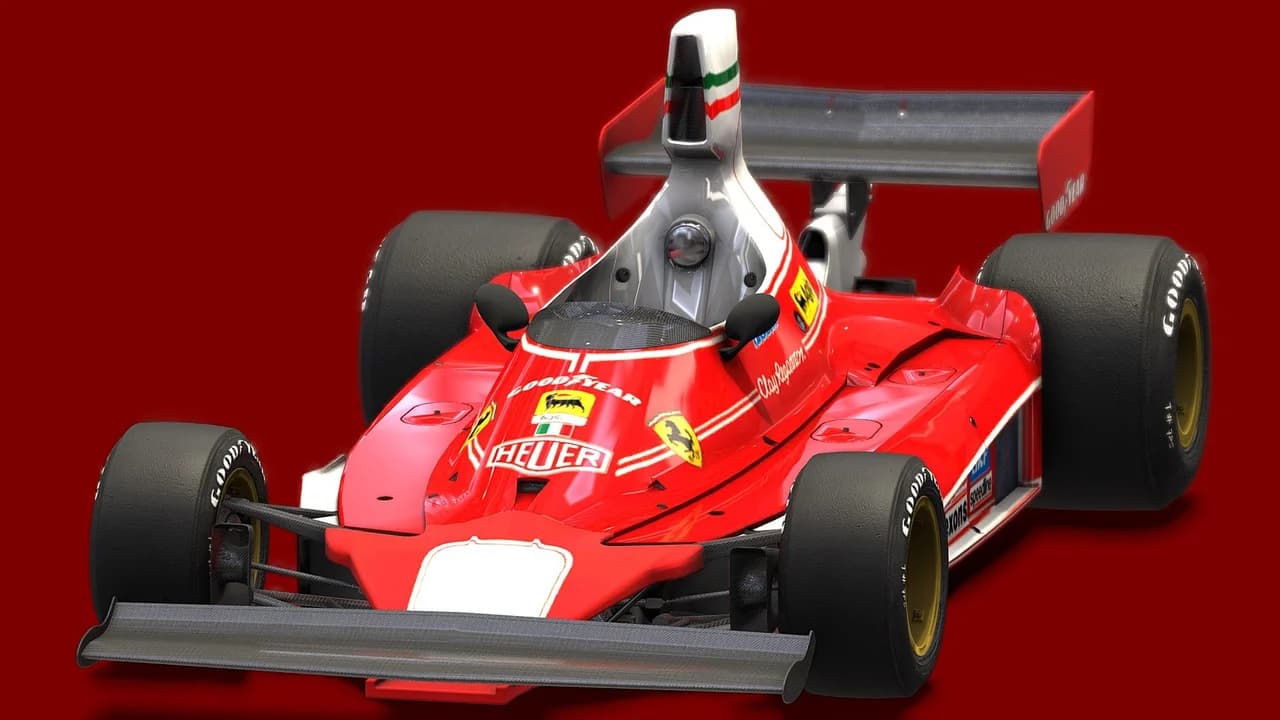
Ferrari · 1975
A flat-12, transverse gearbox and carefully centralised mass returned Ferrari to both world titles in 1975.

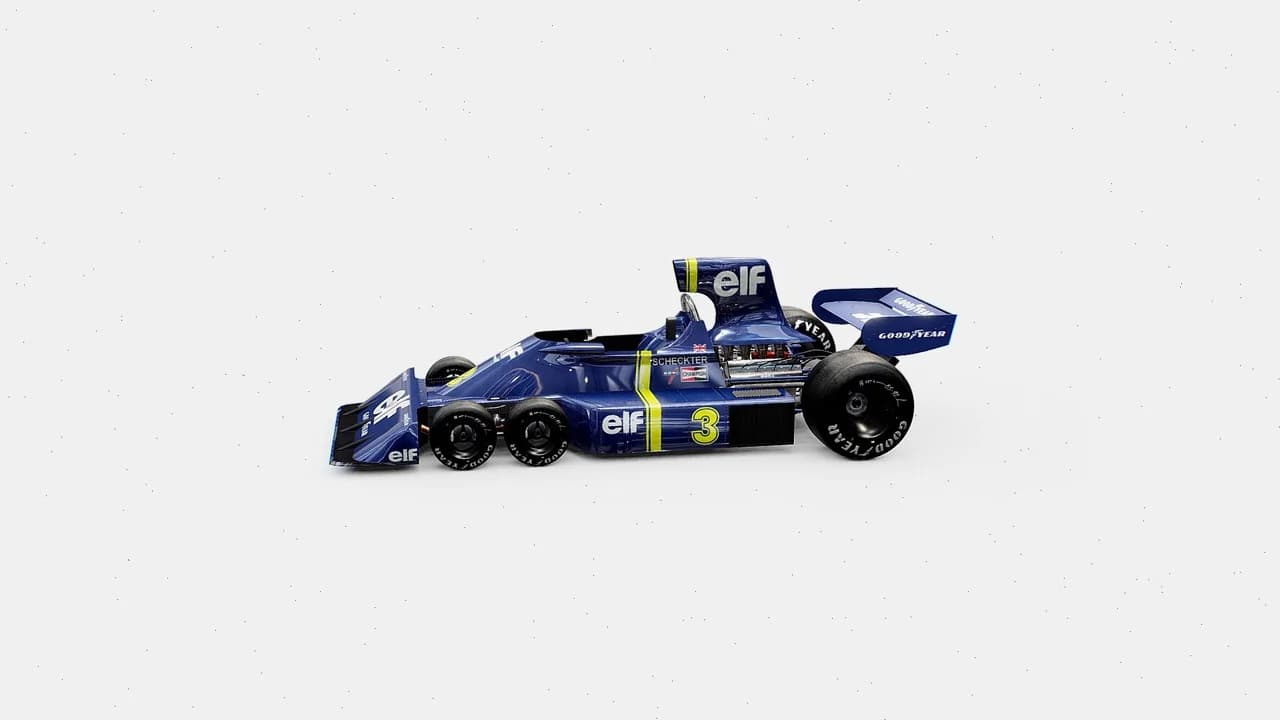
Tyrrell · 1976
Four small steering wheels, two conventional rear tyres and the only Grand Prix victory ever achieved by a six-wheeled car.

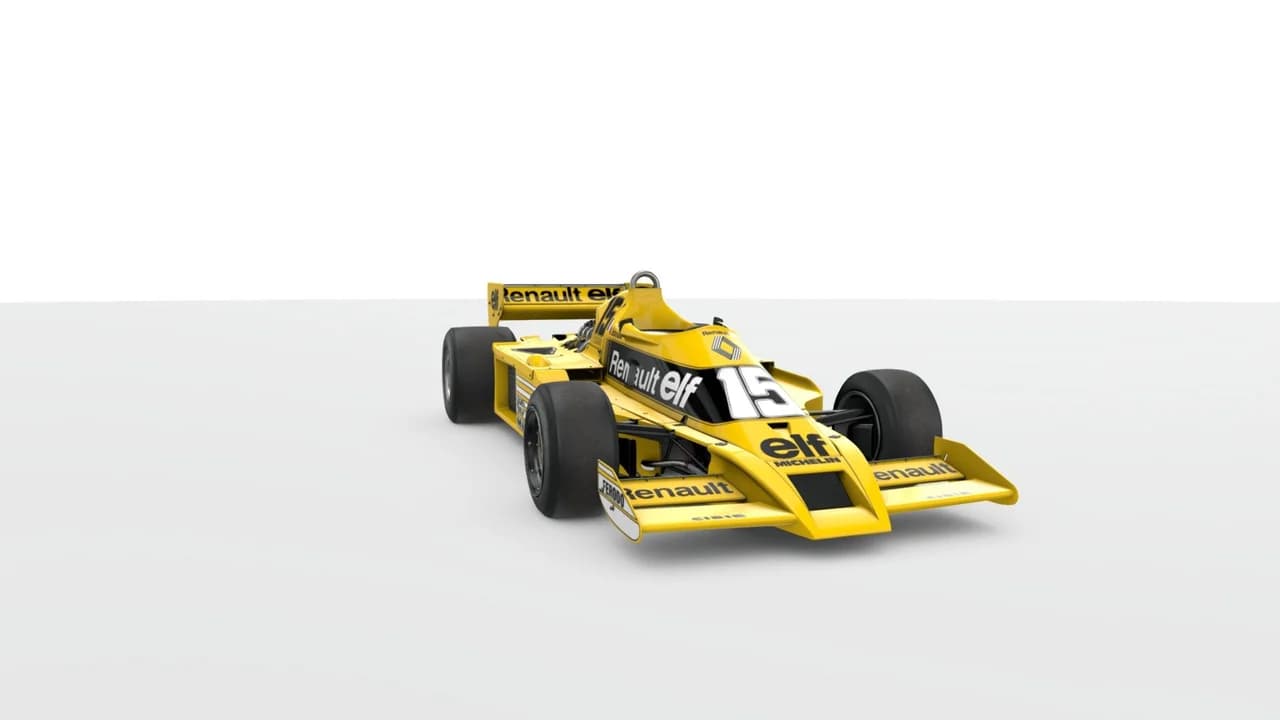
Renault · 1977
Renault's first Formula 1 car and the turbocharged experiment that changed the technical direction of the entire championship.

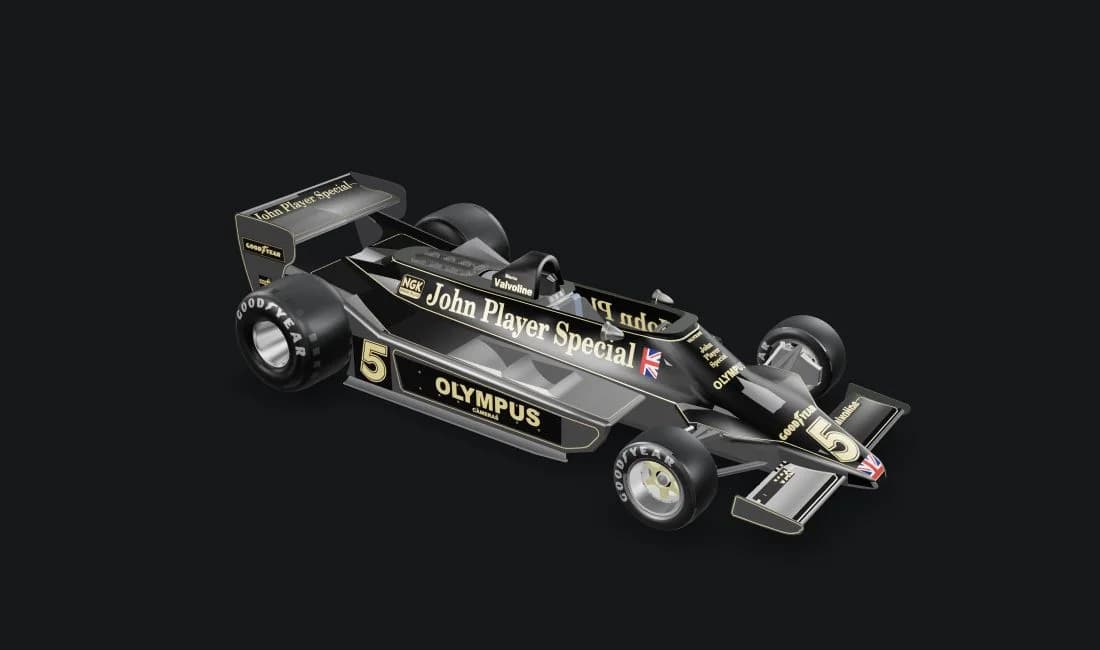
Lotus · 1978
The black-and-gold ground-effect pioneer that transformed underbody aerodynamics into the 1978 Drivers' and Constructors' titles.

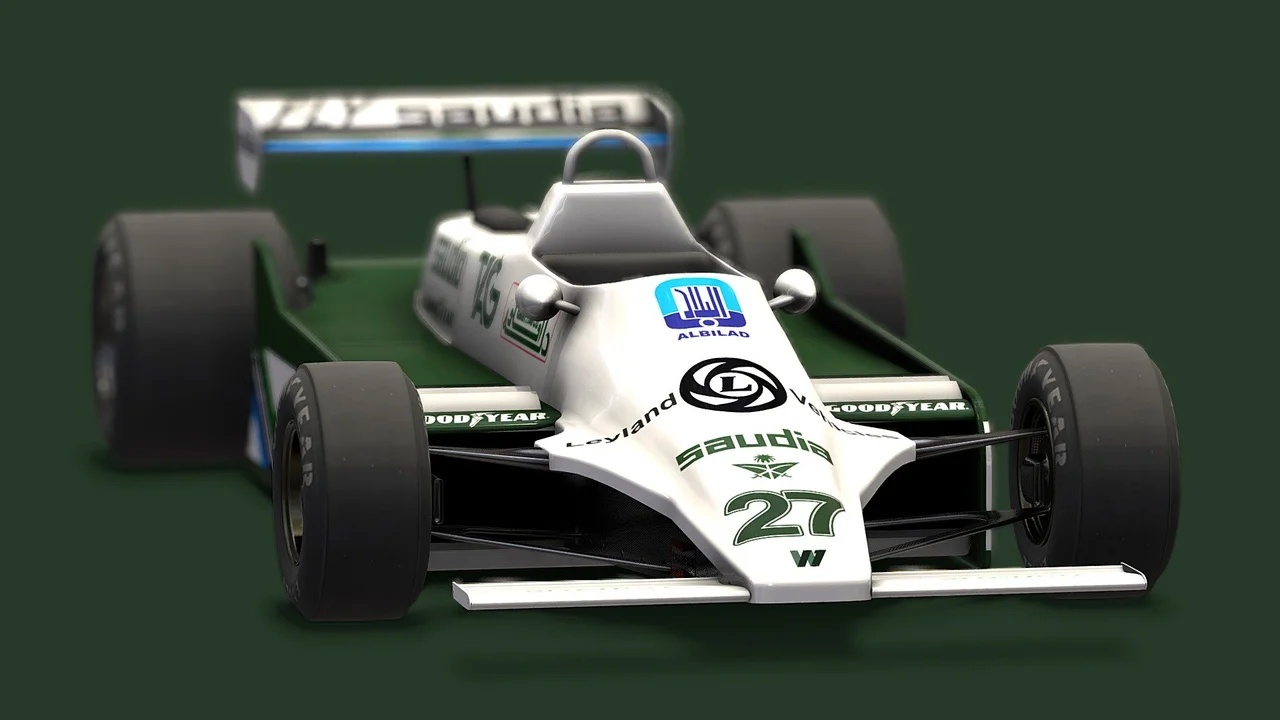
Williams · 1979
Patrick Head's clear interpretation of ground effect gave Williams its first victory and opened the team's championship era.

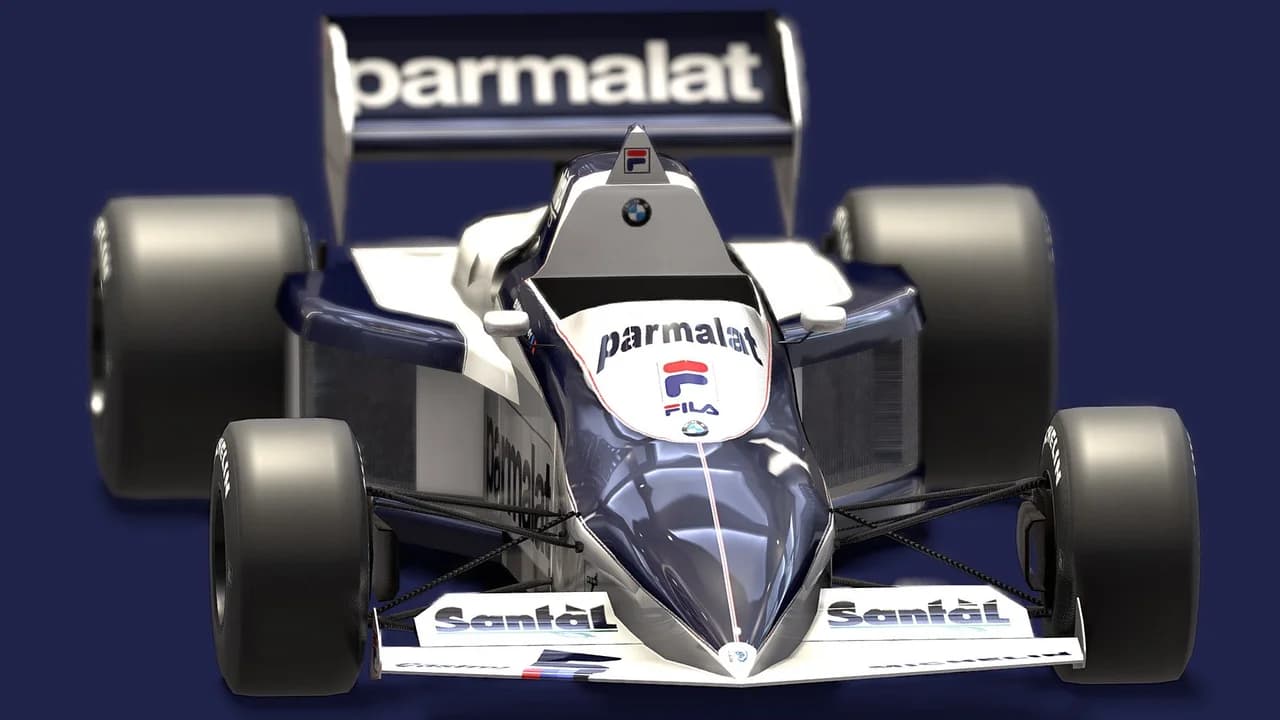
Brabham · 1983
Gordon Murray's arrow-shaped response to the flat-floor rules paired low mass with BMW turbo power and won Nelson Piquet's second title.

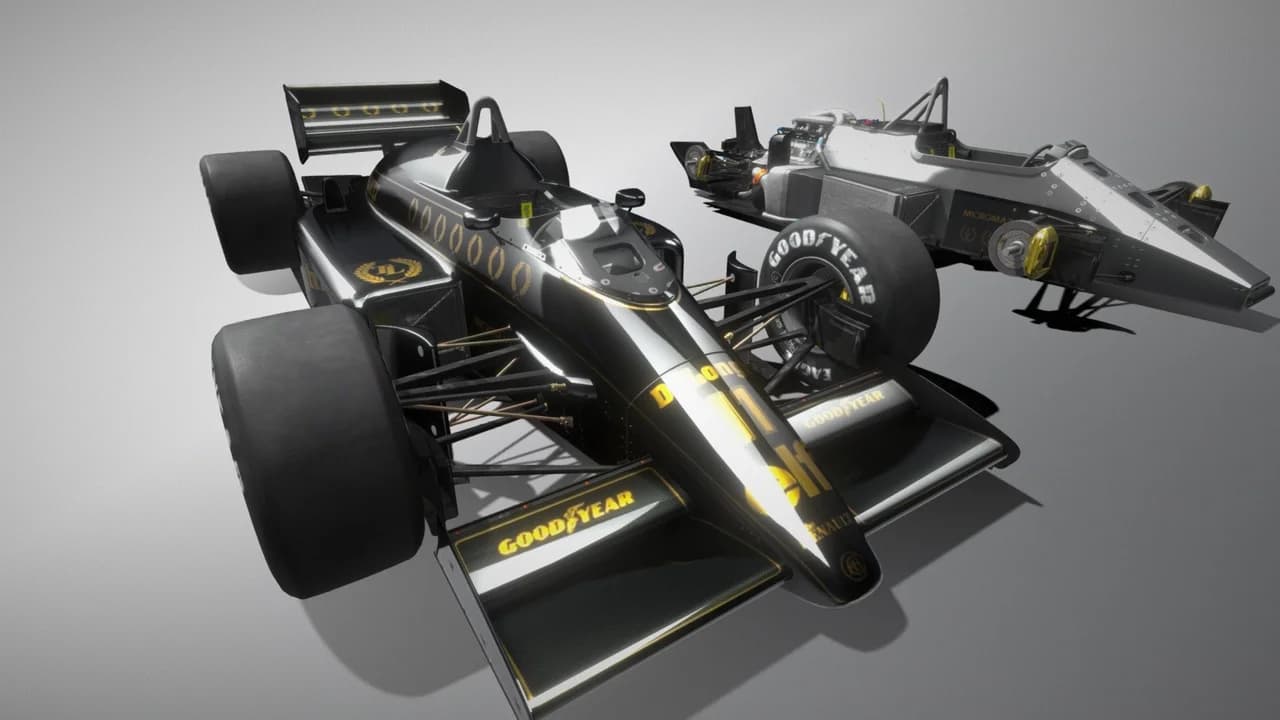
Lotus · 1986
Ayrton Senna's black-and-gold turbo weapon: light, demanding and capable of extraordinary qualifying power from its Renault V6.

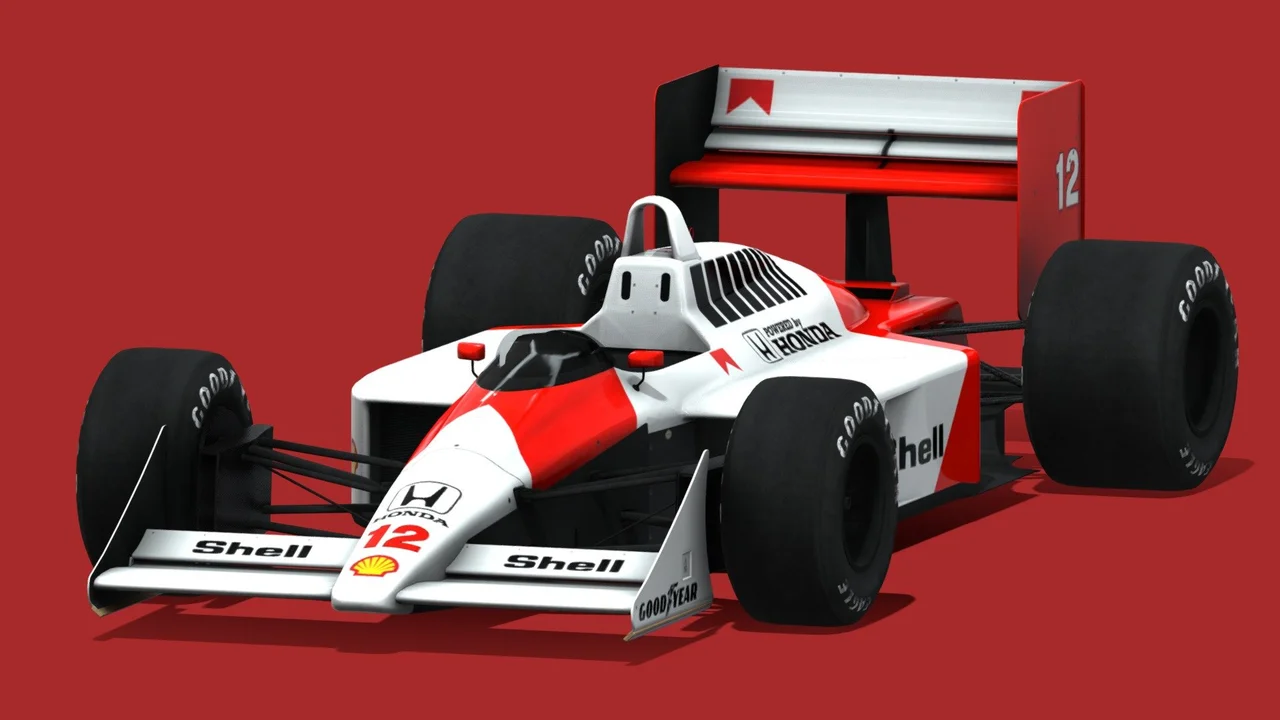
McLaren · 1988
15 victories from 16 races, a low-line carbon-composite chassis and the Honda turbo that defined Formula 1's final boosted season.

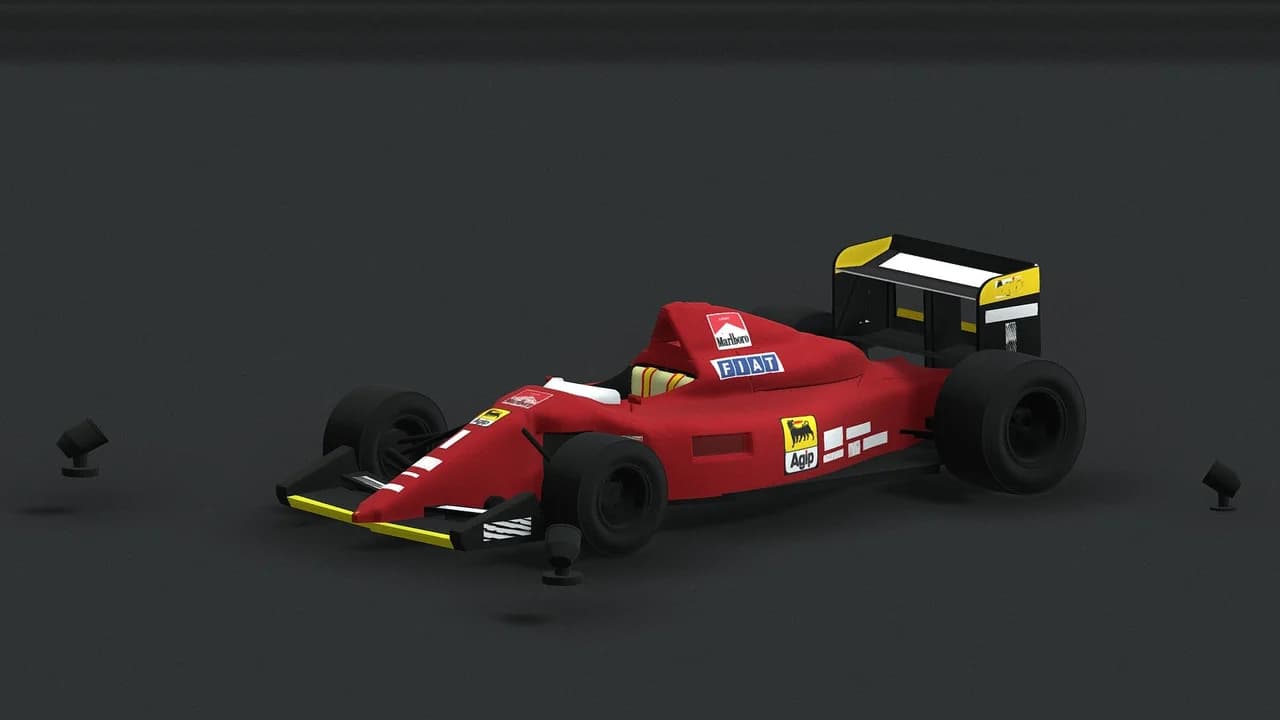
Ferrari · 1990
Elegant bodywork, a semi-automatic gearbox and six victories made the 641/2 both a title contender and a permanent design object at MoMA.

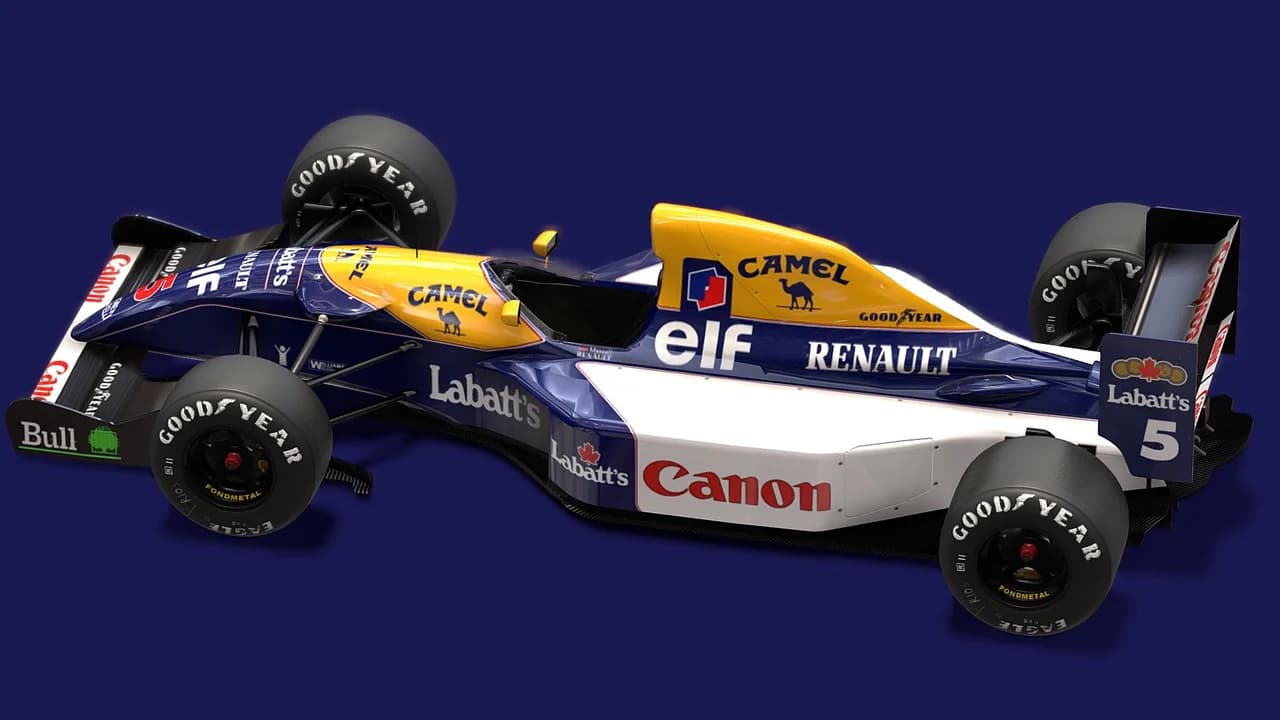
Williams · 1992
Active suspension, traction control and Renault V10 power: the technological benchmark that gave Williams both 1992 world titles.

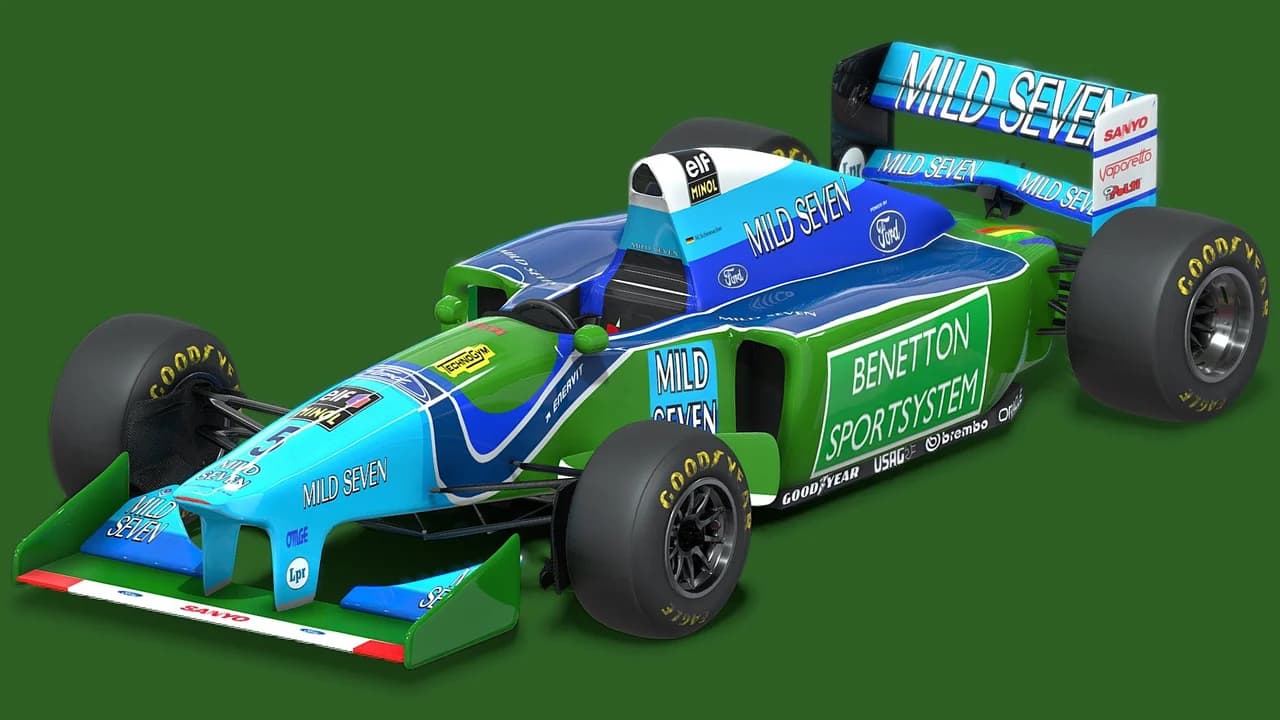
Benetton · 1994
A compact, agile chassis built around Michael Schumacher's driving delivered Benetton's first Drivers' World Championship.

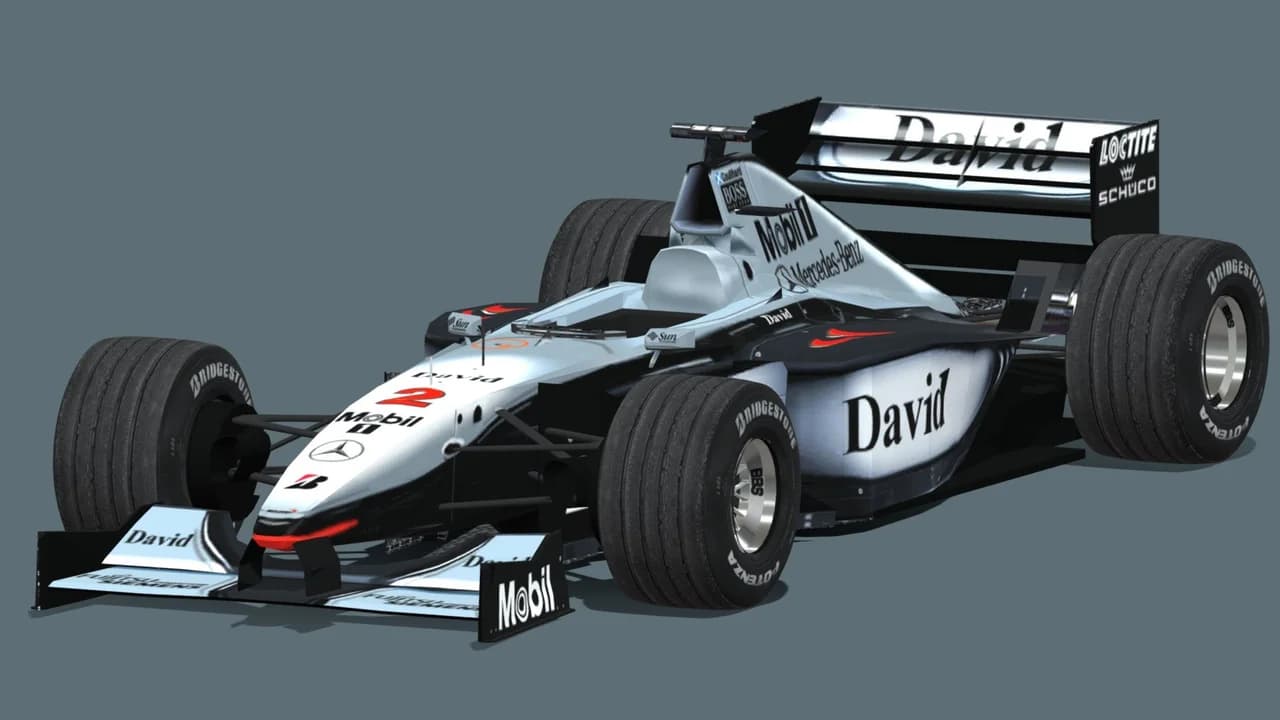
McLaren · 1998
Adrian Newey's first complete McLaren mastered the narrow-track regulations and restored both world titles to Woking.

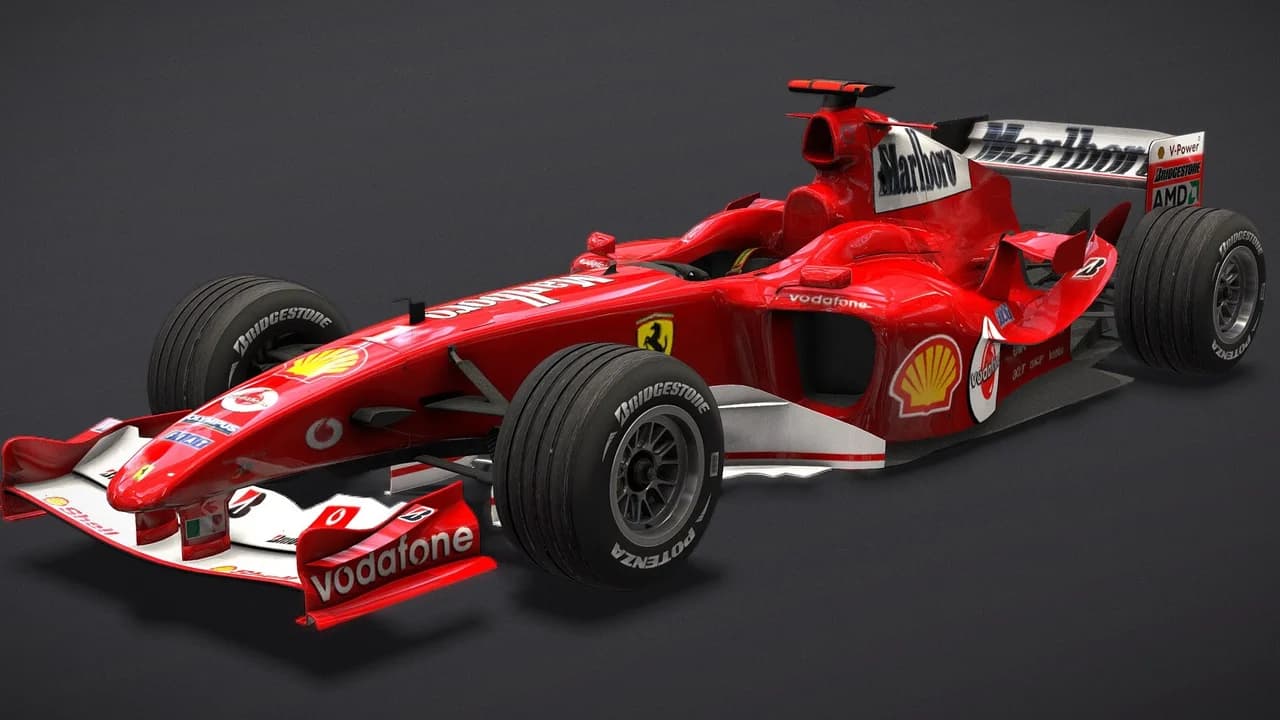
Ferrari · 2004
15 victories, a final-generation three-litre V10 and the car that carried Michael Schumacher to his seventh world title.

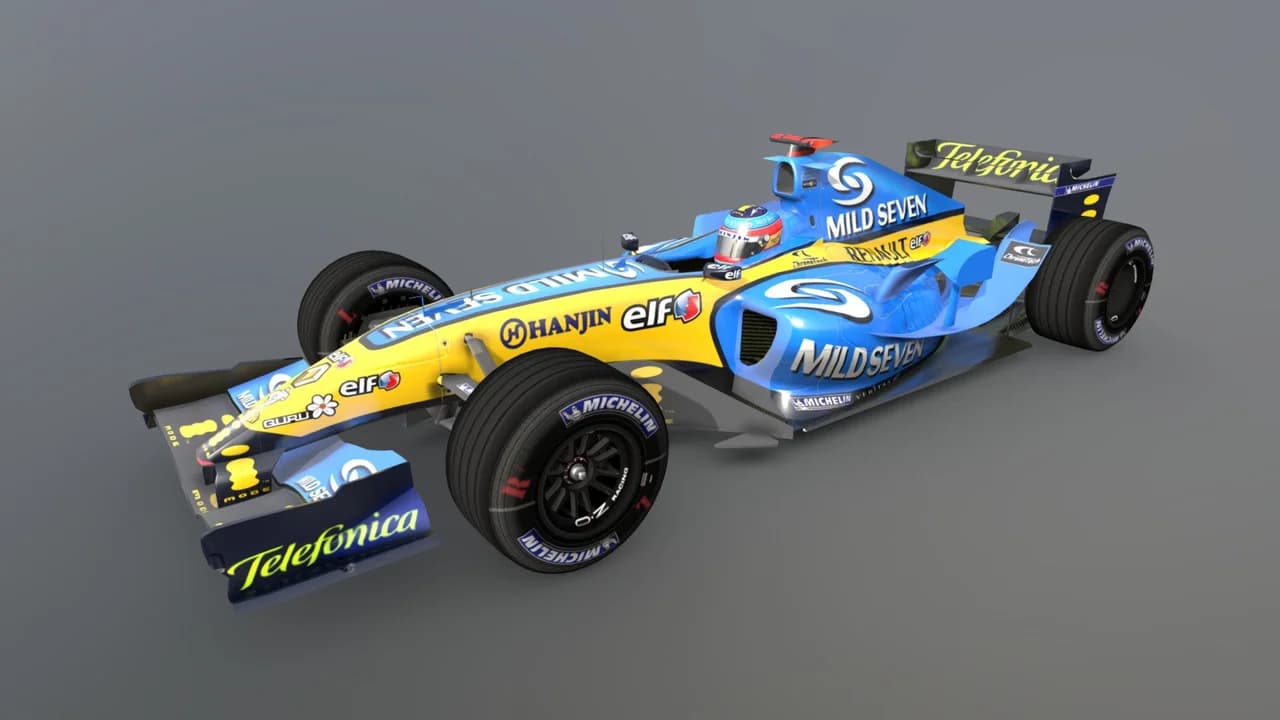
Renault · 2005
The balanced, reliable V10 car that gave Fernando Alonso and Renault both 2005 World Championships.

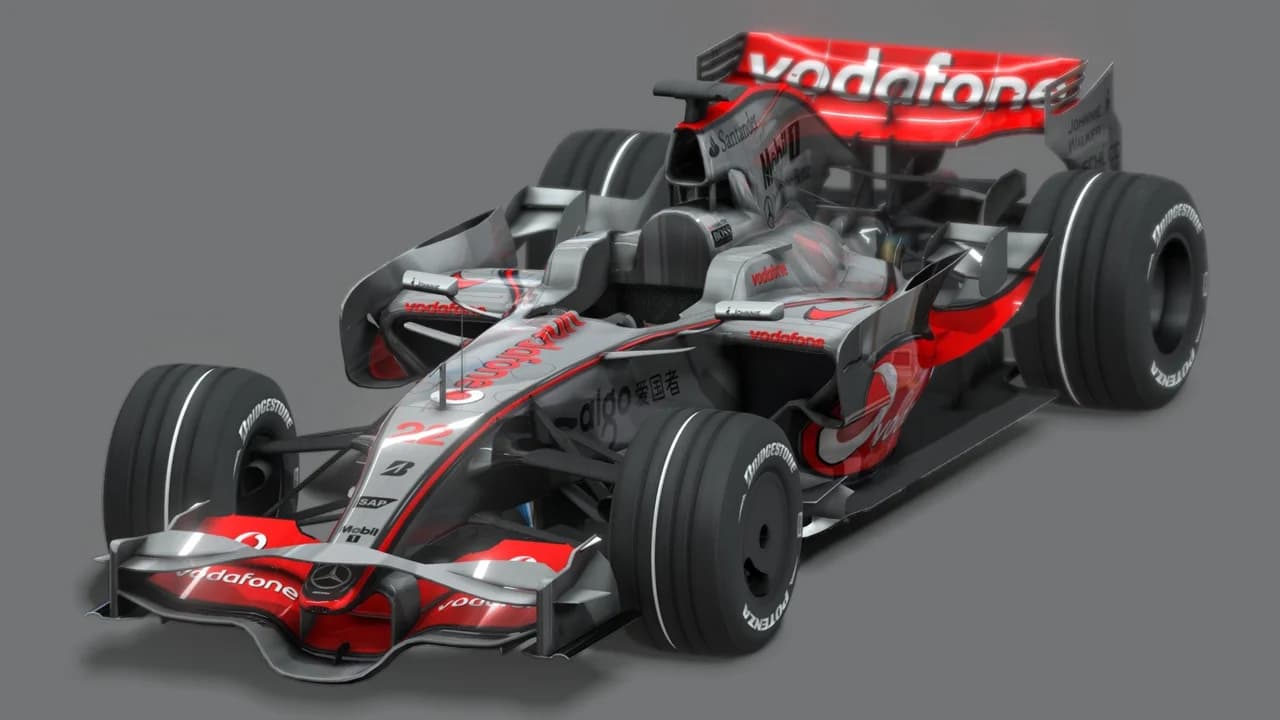
McLaren · 2008
Six victories, relentless aerodynamic development and the car that carried Lewis Hamilton to his first world title by a single point.

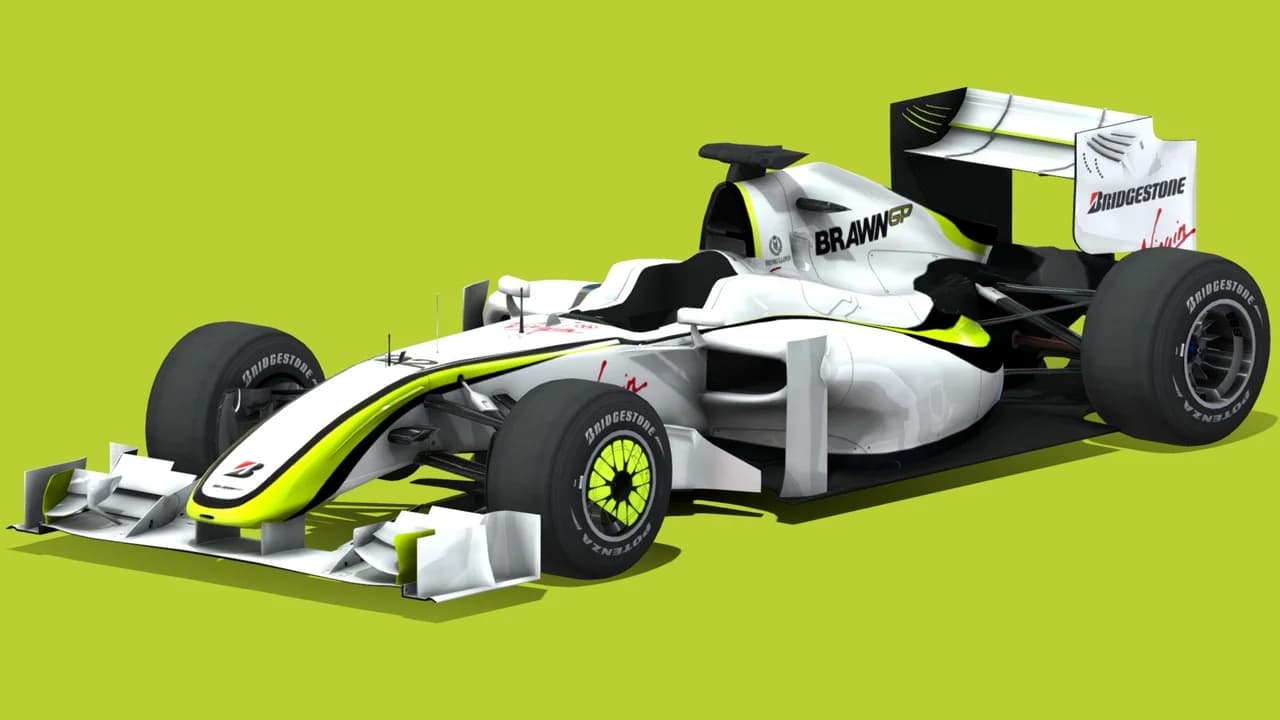
Brawn GP · 2009
The double-diffuser car that emerged from Honda's withdrawal and won both championships in Brawn GP's only season.

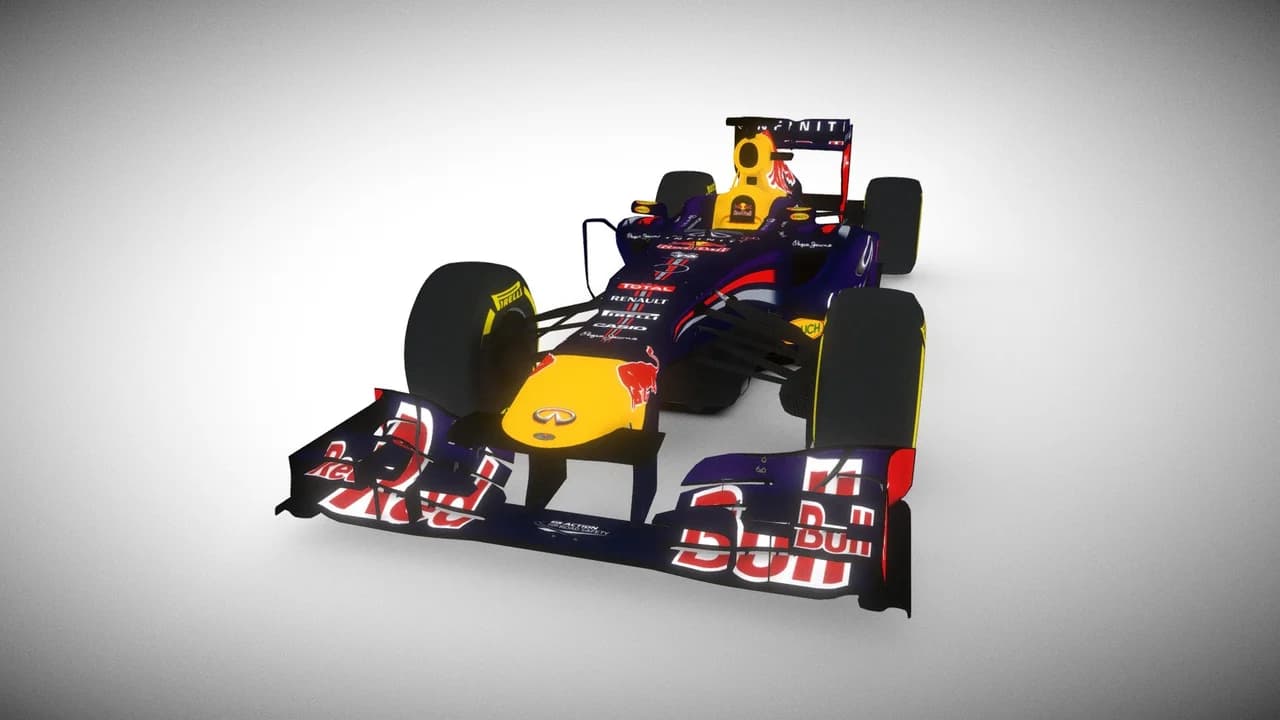
Red Bull Racing · 2013
The final and most dominant evolution of Vettel's blown-exhaust Red Bulls: 13 wins and nine consecutive victories in 2013.

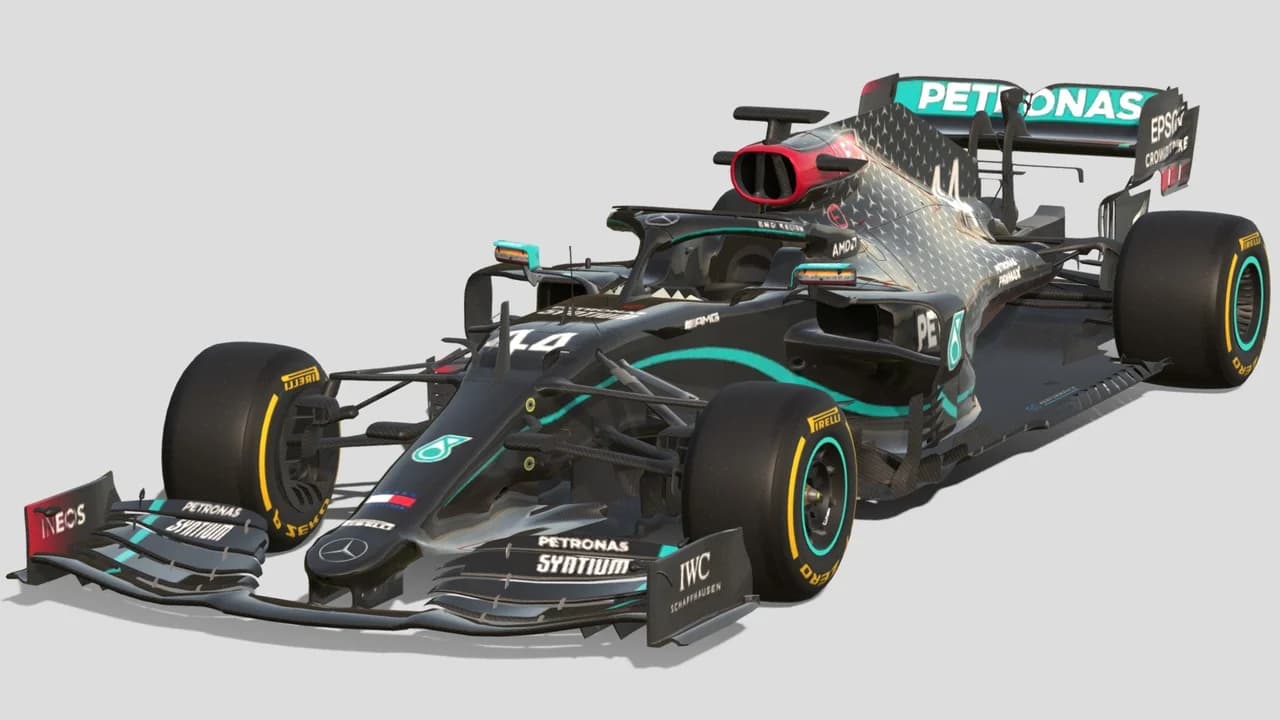
Mercedes · 2020
13 victories, 15 pole positions and a seventh consecutive double championship from the benchmark of Formula 1's hybrid era.

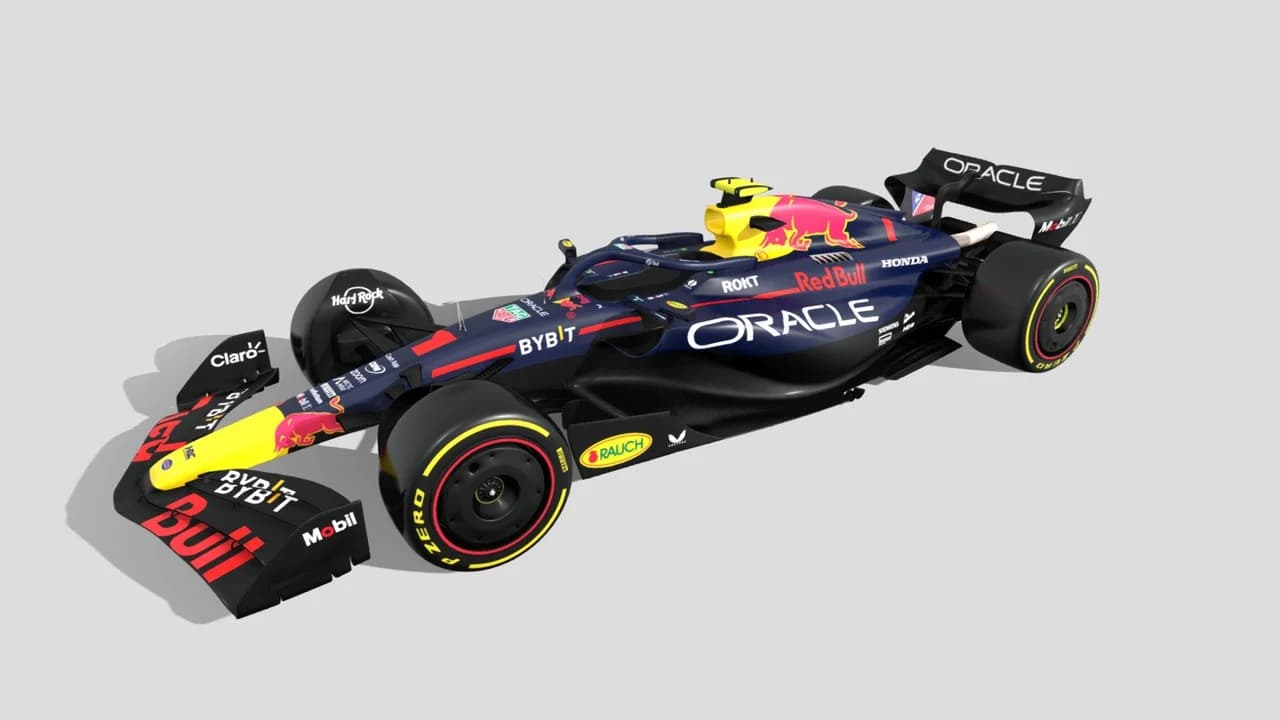
Red Bull Racing · 2023
21 victories from 22 races and 860 points: the car that delivered the most dominant season in Formula 1 history by win percentage.
The archive standard
Each exhibit brings the model together with its history, engineering and sources. Explore with mouse, touch or keyboard and consult the credits for the reconstruction.