Layout 1987–2002
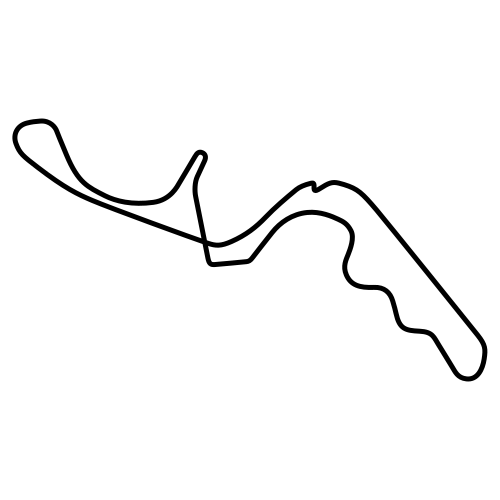
- F1 period
- 1987-2002
- seasons represented
- 16
- Length
- Data unavailable
- Turns
- Data unavailable
Race winners
Completed World Championship races at this circuit, with winning driver and constructor. A season appears only after the race result is published.
35 matching races
Counts cover filtered archived races. Shared wins count for each driver; each constructor is counted once per race.
Race winners
Drivers officially credited with pole in each edition. New weekends are added once official data is published, without waiting for the race.
Penalties can make the official pole differ from the fastest qualifier. In 2021 Sprint weekends, pole was awarded through the Sprint; from 2022 it comes from Grand Prix qualifying.
36 matching races
Counts cover filtered archived editions: one pole per Grand Prix, not per session.
Track evolution · 1987–2026
Select two Formula 1 configurations. Their shapes and documented seasons are shown separately, without applying modern technical data to historical layouts.
Configuration timeline
2
Schematic drawings do not show every minor alteration. Consult the stories and sources for historical context.
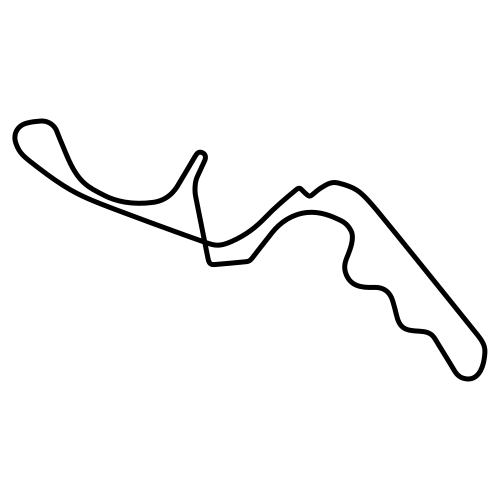
Data applies only to this configuration, according to the linked source; it is not copied to earlier layouts. 2026 · Historical sources ↗
Open a season · 2003Open a story to explore the circuit’s history, consult its source and find the race in the archive.
Suzuka began hosting Formula 1 in 1987. Its figure-of-eight outline, with one section passing over another, makes the design instantly recognizable. The comparison also invites attention to what remains: a consistent overall shape can coexist with localized changes. The two archived layouts reflect that enduring identity without representing every alteration made over the years.
Senna caught his McLaren team mate Prost at Suzuka's chicane with the title at stake. They collided: Prost stopped, while Senna rejoined, changed his front wing and passed Nannini on track. It looked as if the championship fight could continue, but the stewards disqualified Senna for cutting the chicane on his return. Nannini was the official race winner and Prost became champion. What the crowd saw at the finish and what the classification recorded were not the same thing.
At Suzuka in 2000, Schumacher was chasing more than another race victory. Ferrari had waited for a drivers’ champion since 1979, and the contest with Häkkinen compressed that history into one Sunday. The Finn led at the start; Schumacher built his response through pace and pit work. The decisive change came during the second stops, when the Ferrari emerged ahead of the McLaren. He still had to bring the advantage home. Victory secured his third personal title and his first with Ferrari. The distinction between championships matters: the team had already won the constructors’ crown in 1999, but the drivers’ title was still missing. Suzuka ended that wait and began Schumacher’s run of five consecutive Ferrari titles. The celebration reflected years of effort, not just the laps completed that afternoon.
Kimi Räikkönen started seventeenth in the 2005 Japanese Grand Prix and won for McLaren. His decisive pass on Giancarlo Fisichella came at the start of the final lap, completing a remarkable recovery. The story draws attention to the straight and first corner: features of the diagram that became the setting for the race’s decisive moment.
Race Archive
Move through the seasons, moments and other venues connected to this circuit.