Layout 1978
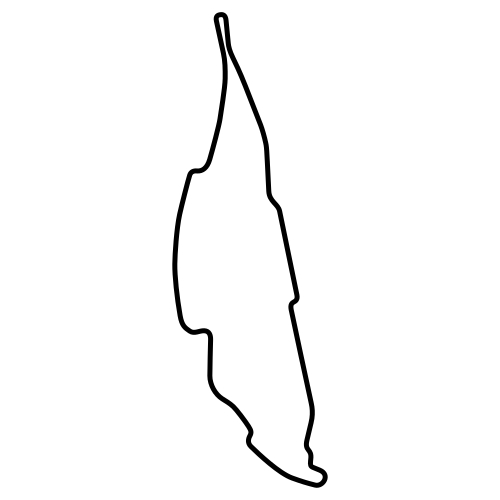
- F1 period
- 1978
- seasons represented
- 1
- Length
- Data unavailable
- Turns
- Data unavailable
Race winners
Completed World Championship races at this circuit, with winning driver and constructor. A season appears only after the race result is published.
44 matching races
Counts cover filtered archived races. Shared wins count for each driver; each constructor is counted once per race.
Race winners
Drivers officially credited with pole in each edition. New weekends are added once official data is published, without waiting for the race.
Penalties can make the official pole differ from the fastest qualifier. In 2021 Sprint weekends, pole was awarded through the Sprint; from 2022 it comes from Grand Prix qualifying.
45 matching races
Counts cover filtered archived editions: one pole per Grand Prix, not per session.
Track evolution · 1978–2026
Select two Formula 1 configurations. Their shapes and documented seasons are shown separately, without applying modern technical data to historical layouts.
Configuration timeline
6
Schematic drawings do not show every minor alteration. Consult the stories and sources for historical context.
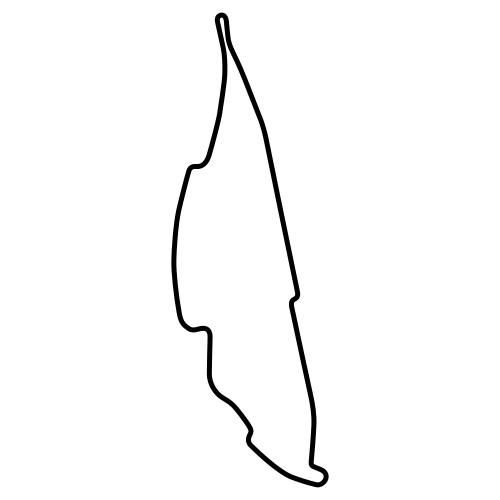
Data applies only to this configuration, according to the linked source; it is not copied to earlier layouts. 2026 · Historical sources ↗
Open a season · 2002Open a story to explore the circuit’s history, consult its source and find the race in the archive.
Villeneuve’s first victory came at the new Montréal venue in the 1978 Canadian Grand Prix. A home driver’s breakthrough immediately gave the circuit an emotional identity. The route would change and later bear his name, but that first finish remained the origin of the bond between driver and venue.
Ferrari arrived in Canada with several podiums but no victory that season. Alesi’s wait was longer: his first F1 win had remained elusive. Montréal changed both stories. The celebration in the garage reflected a Ferrari career full of passion and disappointment finally producing victory. This race did not need to decide a championship to matter; its significance lay in the wait it ended and the personal meaning of the finish.
Contact with Hamilton, a penalty and further setbacks repeatedly undermined Button’s race, while heavy rain caused a lengthy suspension. As the surface dried, he recovered from the back. On the final lap he caught Vettel and took the lead when the Red Bull driver made a mistake. His six pit-lane visits included a drive-through, not six tyre changes. Montréal rewarded his ability to read a changing track and keep recovering.
Sebastian Vettel crossed the line first at the 2019 Canadian Grand Prix, but Lewis Hamilton was the official winner. On lap 48 Vettel's Ferrari ran onto the grass and, on rejoining, squeezed the Mercedes towards the wall; the stewards imposed a five-second penalty. Hamilton stayed close enough to move ahead in the final classification. Montreal's finishing order on the road and its official result diverged, making this a race whose on-track moment and subsequent decision both matter.
F1 period: 1978
Race Archive
Move through the seasons, moments and other venues connected to this circuit.