Layout 1952–1971
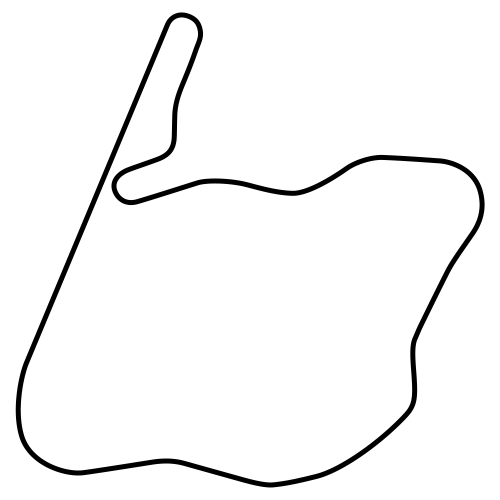
- F1 period
- 1952-1953,1955,1958-1971
- seasons represented
- 17
- Length
- Data unavailable
- Turns
- Data unavailable
Race winners
Completed World Championship races at this circuit, with winning driver and constructor. A season appears only after the race result is published.
35 matching races
Counts cover filtered archived races. Shared wins count for each driver; each constructor is counted once per race.
Race winners
Drivers officially credited with pole in each edition. New weekends are added once official data is published, without waiting for the race.
Penalties can make the official pole differ from the fastest qualifier. In 2021 Sprint weekends, pole was awarded through the Sprint; from 2022 it comes from Grand Prix qualifying.
36 matching races
Counts cover filtered archived editions: one pole per Grand Prix, not per session.
Track evolution · 1952–2026
Select two Formula 1 configurations. Their shapes and documented seasons are shown separately, without applying modern technical data to historical layouts.
Configuration timeline
5
Schematic drawings do not show every minor alteration. Consult the stories and sources for historical context.
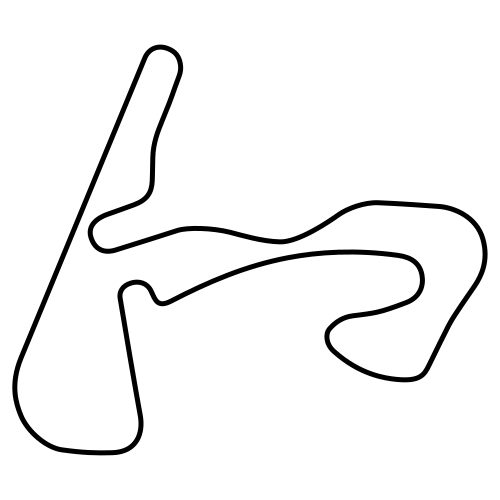
Data applies only to this configuration, according to the linked source; it is not copied to earlier layouts. 2026 · Historical sources ↗
Open a season · 2021Open a story to explore the circuit’s history, consult its source and find the race in the archive.
The Lotus 49 and Ford Cosworth DFV debuted at Zandvoort in 1967. Hill took pole and Clark won, immediately demonstrating the design’s potential. The venue became the starting point for a major technical story. This happened on old Zandvoort, before later revisions and modern banked corners, so the historical configuration matters.
Formula 1 returned to Zandvoort in 2021 after thirty-six years. The circuit retained the narrow, undulating character of its history while introducing redesigned banked corners for the new event. Verstappen took pole in front of the Dutch crowd and had to answer strategic pressure from both Mercedes cars. He controlled the different pit-stop sequences, beat Hamilton and regained the championship lead. The result joined the return of a historic venue with a home driver capable of turning anticipation into victory. The orange grandstands were more than scenery: they helped define modern Zandvoort's identity and the bond between circuit, crowd and driver.
F1 period: 1979
Race Archive
Move through the seasons, moments and other venues connected to this circuit.