Layout 1971–1985
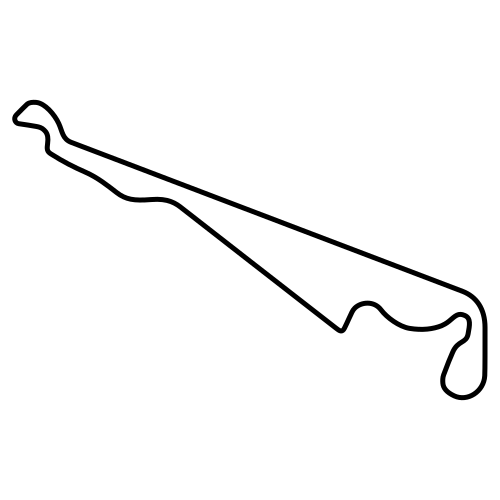
- F1 period
- 1971,1973,1975-1976,1978,1980,1982-1983,1985
- seasons represented
- 9
- Length
- Data unavailable
- Turns
- Data unavailable
Race winners
Completed World Championship races at this circuit, with winning driver and constructor. A season appears only after the race result is published.
18 matching races
Counts cover filtered archived races. Shared wins count for each driver; each constructor is counted once per race.
Race winners
Drivers officially credited with pole in each edition. New weekends are added once official data is published, without waiting for the race.
Penalties can make the official pole differ from the fastest qualifier. In 2021 Sprint weekends, pole was awarded through the Sprint; from 2022 it comes from Grand Prix qualifying.
18 matching races
Counts cover filtered archived editions: one pole per Grand Prix, not per session.
Track evolution · 1971–2022
Select two Formula 1 configurations. Their shapes and documented seasons are shown separately, without applying modern technical data to historical layouts.
Configuration timeline
3
Schematic drawings do not show every minor alteration. Consult the stories and sources for historical context.
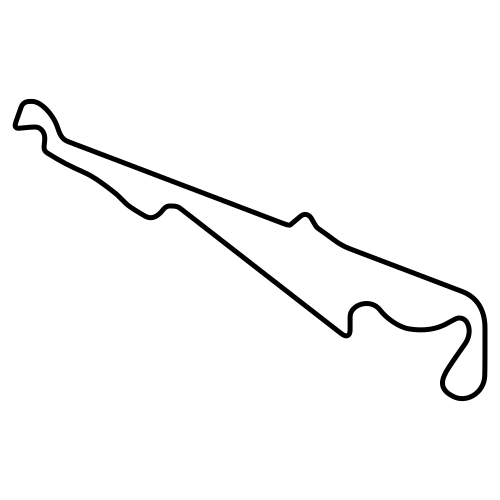
Data applies only to this configuration, according to the linked source; it is not copied to earlier layouts. 2022 · Historical sources ↗
Open a season · 2018Open a story to explore the circuit’s history, consult its source and find the race in the archive.
Capelli and Leyton House found an unexpected opportunity at Paul Ricard in 1990. A car struggling elsewhere became competitive enough to make Prost chase in his Ferrari. Prost ultimately won, but Capelli’s resistance defined the race. It illustrates how performance depends on the meeting between a car and a specific surface and circuit, not only general competitiveness.
Verstappen lost the lead at the first corner of the 2021 French Grand Prix but recovered it with an undercut during the first stops. Red Bull then stopped him again, surrendering track position for fresher tyres. He had to pass Bottas and close the gap to Hamilton, who remained on a one-stop strategy. Verstappen caught him with two laps remaining and completed the pass on the straight. Paul Ricard hosted a race decided in two stages: gaining an advantage in the pits, then deliberately giving it up to build a larger opportunity at the finish. Strategy succeeded because driver and car converted tyre difference into pace, recovery and the final attack.
Race Archive
Move through the seasons, moments and other venues connected to this circuit.