Layout 1973–1978
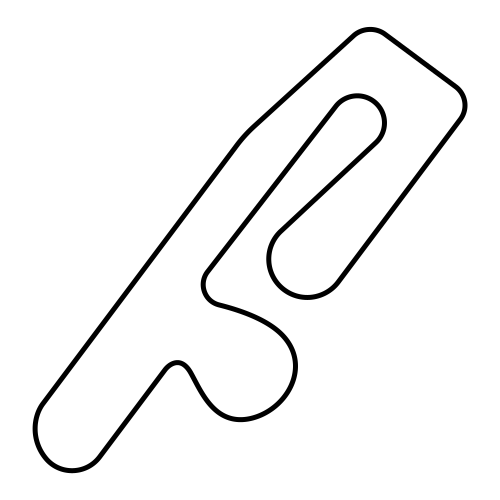
- F1 period
- 1973-1978
- seasons represented
- 6
- Length
- 4.031 km
- Turns
- 8
Data applies only to this configuration, according to the linked source; it is not copied to earlier layouts. 1978 · Historical sources ↗
Open a season · 1973Race winners
Completed World Championship races at this circuit, with winning driver and constructor. A season appears only after the race result is published.
6 matching races
Counts cover filtered archived races. Shared wins count for each driver; each constructor is counted once per race.
Race winners
Drivers officially credited with pole in each edition. New weekends are added once official data is published, without waiting for the race.
Penalties can make the official pole differ from the fastest qualifier. In 2021 Sprint weekends, pole was awarded through the Sprint; from 2022 it comes from Grand Prix qualifying.
6 matching races
Counts cover filtered archived editions: one pole per Grand Prix, not per session.
Track evolution · 1973–1978
Select two Formula 1 configurations. Their shapes and documented seasons are shown separately, without applying modern technical data to historical layouts.
Configuration timeline
1
Schematic drawings do not show every minor alteration. Consult the stories and sources for historical context.
Only one Formula 1 configuration is represented in the archive.
Data applies only to this configuration, according to the linked source; it is not copied to earlier layouts. 1978 · Historical sources ↗
Open a season · 1973Open a story to explore the circuit’s history, consult its source and find the race in the archive.
Tyrrell’s P34 looked like a car from an alternative Formula 1: four small front wheels replaced the usual pair. Scheckter won with it at Anderstorp in 1976. That result makes the design more than a visual curiosity; a radically different solution had beaten conventional cars. The Swedish circuit preserves an extraordinary image of an era when a team could question even the number of wheels on its racing car.
Brabham’s BT46B attracted attention before the result, its large rear fan announcing an unusual technical approach. Lauda won the Swedish Grand Prix, but the team withdrew the car and it never raced again. Anderstorp therefore preserves more than a winning driver’s name: it recalls a design direction abandoned immediately after demonstrating its effectiveness.
Race Archive
Move through the seasons, moments and other venues connected to this circuit.